The Reality Girl Scissors Trend: A Deep Dive into the Viral Phenomenon
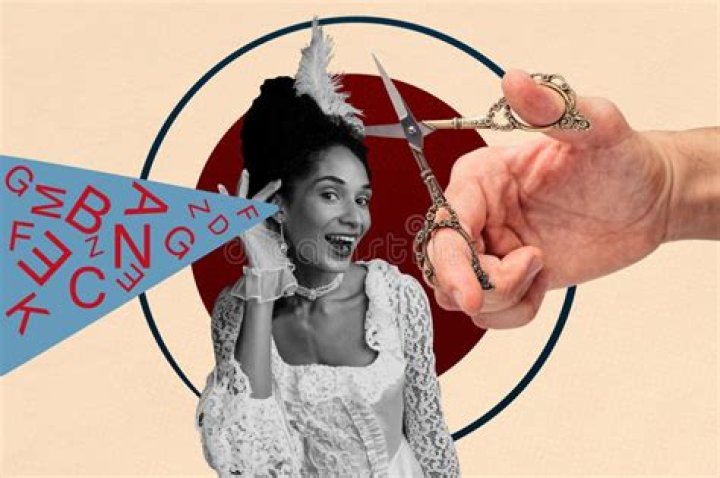
The internet moves fast. One moment, a niche phrase is whispered in obscure corners of social media. The next, it’s a full-blown cultural phenomenon. Right now, that phrase is “reality girl scissors.” It’s a term that has sparked curiosity, confusion, and a fair share of debate. But what exactly is it? And why is everyone talking about it?
Let’s be clear from the start: this isn’t about a pair of scissors. Not in the literal sense, anyway. The phrase “reality girl scissors” has emerged as a shorthand for a specific type of content—often raw, unfiltered, and deeply personal—that blurs the line between performance and authenticity. It’s a trend that has taken root on platforms like TikTok, Instagram, and YouTube, where creators are increasingly leaning into the messy, unpolished realities of their lives.
But there’s more to it than just a hashtag. The trend taps into a broader cultural shift. Audiences are tired of the polished, airbrushed perfection that dominated social media for years. They crave something real. Something that feels like it could be happening in their own living room. And that’s exactly what the reality girl scissors movement delivers.
What Does “Reality Girl Scissors” Actually Mean?
To understand the trend, you have to look at the language. The term “scissors” here is metaphorical. It refers to the act of cutting through the noise—the curated highlights, the filtered photos, the carefully scripted captions—to reveal the unvarnished truth. A “reality girl” is a creator who embraces this ethos. She’s the one who films herself crying after a breakup, shares her morning routine without makeup, or talks openly about her financial struggles.
It’s a form of digital vulnerability that feels almost radical in its honesty. And it’s resonating. Hard.
Consider the numbers. Videos tagged with #realitygirlscissors have amassed millions of views across platforms. The engagement rates are staggering. Comments sections are flooded with messages like “Finally, someone who gets it” and “This is the content I needed today.” It’s a community built on shared experience, not curated perfection.
The Origins: Where Did This Trend Come From?
Like many internet phenomena, the exact origin of “reality girl scissors” is murky. It didn’t emerge from a single viral video or a celebrity endorsement. Instead, it grew organically from a growing dissatisfaction with the “highlight reel” culture that dominated the 2010s.
Think back to the early days of Instagram. Everything was filtered. Every photo was staged. Every caption was a carefully crafted performance. But over time, cracks began to show. Influencers started posting “no makeup” selfies. Vloggers began sharing their struggles with mental health. The facade started to crumble.
The term “reality girl scissors” seems to have crystallized in late 2023, gaining traction on TikTok as a way to describe this new wave of authenticity. It’s not a formal movement with a manifesto. It’s more of a vibe—a shared understanding that the old rules no longer apply.
Why Is It So Popular? The Psychology Behind the Trend
There’s a reason this trend has exploded. It’s not just about content. It’s about connection.
Human beings are wired for authenticity. We crave stories that feel true. When we see someone being vulnerable online, it triggers a mirror response in our own brains. We feel seen. We feel less alone. That’s powerful.
But there’s also a darker side. The reality girl scissors trend can be emotionally exhausting—for both the creator and the audience. Watching someone pour their heart out day after day can take a toll. And there’s always the question of performance. Is this really authentic, or is it just another act?
That tension is part of what makes the trend so compelling. It forces us to ask uncomfortable questions about the nature of online identity. Are we ever truly ourselves on the internet? Or are we always performing, even when we think we’re being real?
Key Figures and Influencers Driving the Movement
No trend exists in a vacuum. The reality girl scissors movement has been shaped by a handful of key creators who have embraced the ethos wholeheartedly.
One of the most prominent is a creator known online as “ScissorsGirl_Real.” With over 2 million followers across platforms, she has built a brand around radical honesty. Her videos often start with a simple premise: “I’m going to show you what my life actually looks like right now.” No filters. No scripts. Just raw footage of her apartment, her face, her thoughts.
Another major figure is lifestyle vlogger “Mia Uncut.” She gained fame for a series called “The Unfiltered Diaries,” where she documents her daily life without any editing. The result is messy, chaotic, and deeply human. Her audience loves it.
Then there are the smaller creators—the ones with a few thousand followers who are just starting to experiment with the format. They’re the ones who are truly driving the trend forward, one vulnerable post at a time.
The Role of Platforms: TikTok, Instagram, and YouTube
Each platform has shaped the reality girl scissors trend in its own way.
TikTok is the epicenter. The platform’s short-form video format is perfect for quick, punchy moments of authenticity. A 15-second clip of someone crying in their car can go viral in hours. The algorithm rewards engagement, and nothing drives engagement like raw emotion.
Instagram has seen a shift too. The rise of “close friends” stories and the decline of the perfectly curated feed have created space for more honest content. The reality girl scissors trend fits naturally into this new landscape.
YouTube, with its longer format, allows for deeper dives. Creators can post 20-minute vlogs that feel like intimate conversations. The platform’s comment sections often become support groups, with viewers sharing their own stories in response.
Criticism and Controversy: Is It Really Authentic?
Not everyone is a fan. Critics argue that the reality girl scissors trend is just another form of performance—a new mask for the same old game of seeking attention.
“It’s authenticity as a brand,” says Dr. Lena Hart, a media psychologist at the University of London. “The act of being ‘real’ becomes a commodity. You’re selling vulnerability, and that can be just as curated as any other type of content.”
There’s also the issue of exploitation. Some creators have been accused of using trauma for clicks. A video about a painful breakup might be genuine, but when it’s monetized and shared with millions, the line between sharing and exploiting becomes blurry.
And then there’s the question of audience fatigue. How many times can you watch someone cry before it starts to feel like a script? The trend risks becoming a parody of itself—a performance of authenticity that feels anything but real.
The Business of Being Real: Monetization and Sponsorships
Despite the criticisms, the reality girl scissors trend is big business. Brands are taking notice. Companies that once sought out polished, aspirational influencers are now pivoting to creators who embrace the “real” aesthetic.
Sponsorships for “unfiltered” content are on the rise. A skincare brand might partner with a creator who films her morning routine without any filters, showing her acne and wrinkles. A clothing brand might work with a creator who talks openly about body image issues.
But this creates a paradox. The moment authenticity becomes a marketing strategy, it risks losing its power. Can you really be “real” when you’re being paid to be that way?
Creators are grappling with this question every day. Some have chosen to reject sponsorships altogether, preferring to keep their content pure. Others have found ways to integrate brands without compromising their voice. It’s a delicate balance, and not everyone gets it right.
How to Spot Real vs. Manufactured Authenticity
For viewers, the challenge is distinguishing between genuine vulnerability and manufactured authenticity. Here are a few signs to look for:
First, check the consistency. A creator who is always “real” might actually be performing. Real life has ups and downs. If someone’s content is always raw and emotional, it might be a persona.
Second, look for the details. Genuine authenticity often includes mundane, unglamorous moments—like a messy kitchen or a bad hair day. Manufactured authenticity tends to be more dramatic, focusing on big emotional beats.
Finally, trust your gut. If something feels off, it probably is. The best reality girl scissors content is the kind that makes you feel like you’re having a conversation with a friend, not watching a performance.
The Future of the Trend: Where Do We Go From Here?
Trends come and go. The reality girl scissors movement might fade in a few months, replaced by something new. But its impact will likely linger.
We’re already seeing a shift in how people think about online content. The demand for authenticity is reshaping the influencer economy. Brands are being forced to adapt. Platforms are updating their algorithms to reward genuine engagement over polished perfection.
But there’s also a risk of burnout. The constant pressure to be “real” can be exhausting. Creators might find themselves trapped in a cycle of oversharing, unable to step back without losing their audience.
The most sustainable approach might be a middle ground—a blend of authenticity and curation that respects both the creator’s boundaries and the audience’s desire for connection. That’s the challenge that lies ahead.
Practical Tips for Creators Wanting to Join the Trend
If you’re a creator thinking about embracing the reality girl scissors style, here’s some advice from those who’ve done it successfully.
Start small. You don’t have to share your deepest trauma on day one. Try posting a video about a minor frustration—a bad day at work, a failed recipe, a lost package. See how it feels.
Set boundaries. Decide in advance what you’re comfortable sharing and what you want to keep private. It’s okay to say no. Authenticity doesn’t mean total transparency.
Engage with your audience. The beauty of this trend is the community it builds. Respond to comments. Ask questions. Let your viewers know that you see them.
And remember: you don’t have to be perfect. That’s the whole point.
Conclusion: The Power of Cutting Through the Noise
The reality girl scissors trend is more than a viral hashtag. It’s a reflection of a deeper cultural longing for connection in an increasingly digital world. We’re tired of the filters, the scripts, the carefully curated lives. We want something real.
But reality is complicated. It’s messy. It’s uncomfortable. And that’s exactly why it matters. The creators who embrace this trend are taking a risk. They’re opening themselves up to judgment, criticism, and vulnerability. But they’re also building something valuable—a space where people can be honest about who they are.
Whether the trend lasts or fades, its influence will be felt for years to come. The conversation about authenticity online is far from over. And that’s a good thing.